
The Illusion of Winning: Are Casinos Rigged?
One of the most pervasive myths about casinos is the belief that they are rigged against players. Many individuals assume that the odds are manipulated to guarantee that the house always wins. In reality, the majority of casino games are structured around mathematical probabilities that ensure fairness in play. Understanding these odds is crucial; they are not random but are designed to create a balanced gaming experience. For those seeking quick returns, casino sites fast withdrawal options often attract players looking for a more immediate payout. While the house edge does exist, it does not indicate cheating but is rather a calculation of risk versus reward that players must comprehend.
Casinos operate under strict regulations that enforce fairness in gaming. Government oversight and regulatory bodies meticulously test and monitor games to ensure they operate as intended. For instance, slot machines undergo rigorous assessments to confirm they pay out at predetermined rates. This level of transparency helps to build trust with players and maintains the integrity of the gaming industry. Thus, while the house does have an advantage, this does not equate to players being cheated or experiencing unfair treatment.
Moreover, understanding the concept of variance can greatly influence a player’s perception of fairness. It is not uncommon for players to experience streaks of good fortune, while others may face more frequent losses. Recognizing that these experiences are reflective of random chance rather than an unfair system is essential. Education about game mechanics and responsible gambling can significantly enhance the enjoyment of casino gaming and alleviate any unfounded fears regarding rigging, allowing players to approach their experiences with a clearer mindset.
The Gamble of Luck: Skill vs. Chance
Another widespread myth is the notion that certain games of chance are purely about luck, while others require skill. While it is true that games like poker and blackjack involve a significant amount of strategy, it is a misconception to think that entirely luck-based games, such as slots or roulette, are devoid of any skill. Understanding the probabilities and mechanics behind each game can provide players with a greater sense of control over outcomes. Knowledge of game strategies enables players to make informed decisions, potentially improving their chances of success.
Consider poker as an example; it is often regarded as a game of skill because of the strategic decisions players must make based on their hands, their opponents, and the community cards. Players who develop their skills in reading opponents and calculating odds have a distinct advantage over those who rely solely on luck. Conversely, while games like slots may seem entirely random, understanding paylines and payout percentages can optimize a player’s betting strategy, highlighting that even games perceived as luck-based hold elements of decision-making.
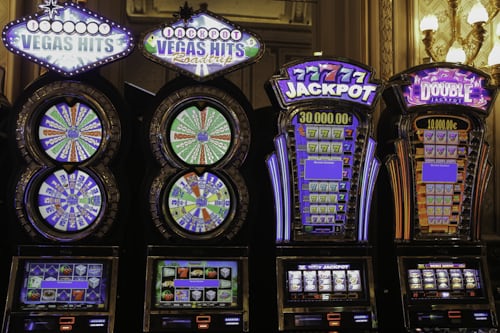
The essence of gambling lies in its unpredictable nature, in which both luck and skill play roles, but the balance between them varies by game type. For aspiring gamblers, being educated about the intricacies of each game can elevate their overall experience. Therefore, players should not shy away from engaging in skill-based games but should also embrace the unpredictability of chance games, appreciating that luck can sometimes be on their side, leading to unexpected wins.
Misinformation and Stereotypes: The Typical Gambler
One prevalent stereotype associated with casino gambling is the belief that it attracts individuals seeking to escape financial woes or personal issues. While some individuals may indeed gamble as a means of coping with stress or hardship, the narrative often portrayed in popular culture is misleading. Many people gamble for entertainment, social interaction, or the thrill of competition, much like enjoying sports or attending concerts. Recognizing this broader perspective can help destigmatize gambling and promote a more responsible approach among casual players.
Furthermore, the myth of the “problem gambler” often overshadows the vast majority of players who engage in gambling responsibly. Statistics indicate that only a small percentage of gamblers develop gambling-related issues, yet the loudest stories often stem from those who experience difficulties. This skewed perception can lead to unfair assumptions about anyone who enjoys the excitement of casino games. It is essential to distinguish between leisure players and those who may require support, fostering an environment that prioritizes responsible gambling practices.
Public campaigns and education initiatives have started addressing these misconceptions to promote healthy gambling behaviors. By highlighting the joys of responsible gaming and dispelling negative stereotypes, the industry can cultivate a more positive understanding of casino gambling as a legitimate form of entertainment. Ultimately, acknowledging the diverse motivations among gamblers allows for a more nuanced conversation about gambling behaviors and choices, helping to shift the focus away from stigmatization.
The Allure of Winning Big: Jackpot Myths
Many players enter casinos with dreams of hitting the jackpot, perpetuating the myth that life-changing wins are commonplace. While it is true that some players do win significant sums, the reality is that such occurrences are exceedingly rare. Media often sensationalizes these wins, creating an illusion that jackpots are just around the corner. In truth, the odds of winning big payouts on games such as slots or progressive jackpots are astronomically high, rendering them highly unlikely for the average player. Understanding the mathematics behind these jackpots is essential for maintaining realistic expectations.
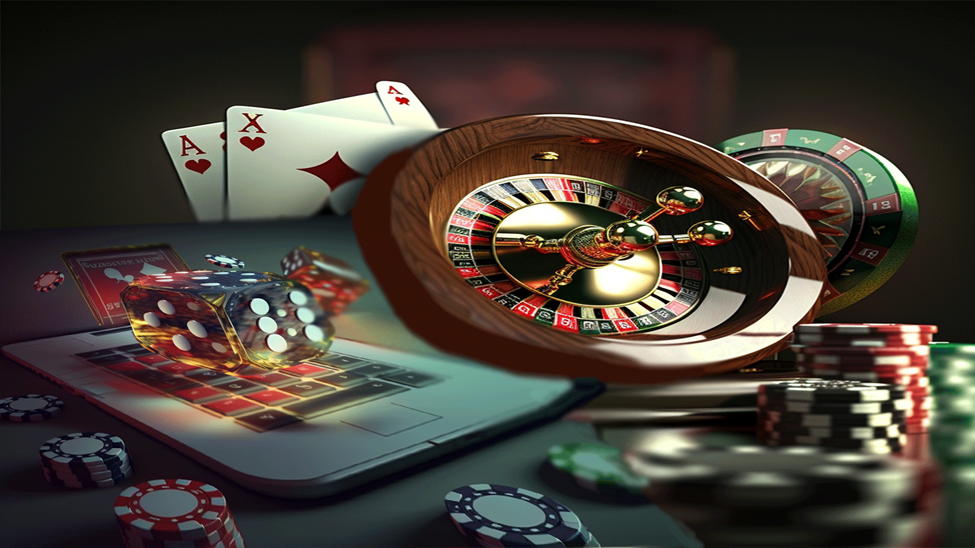
Progressive jackpots grow as more players place bets on machines linked to the same prize pool, resulting in larger payouts, yet the odds of winning these jackpots remain unfavorable. Many players may not realize that lower denomination games and less flashy machines can offer better odds for winning smaller prizes. Therefore, it is important to approach gambling with realistic expectations and to consider the entertainment aspect rather than solely focusing on potential financial gains, which can lead to disappointment.
The psychological allure of “easy money” can lead some players to chase losses, resulting in a cycle of disappointment and financial strain. By educating oneself about the actual probabilities and setting personal limits, players can help mitigate the risks associated with the jackpot mentality. Focusing on the enjoyment of the games rather than the allure of winning big can foster a healthier gambling experience, allowing players to appreciate the thrill of the game without succumbing to unrealistic expectations.
Where to Learn More About Responsible Gambling
For those interested in understanding more about making informed gambling choices, numerous resources are available to help navigate the landscape of casino gaming. Reputable websites and organizations are dedicated to promoting responsible gambling practices, offering insights, tips, and support for individuals. They provide information on setting limits, recognizing signs of problem gambling, and implementing strategies to gamble within one’s means, thereby fostering a safer gaming environment.
Additionally, many online communities and forums provide spaces for players to share experiences, ask questions, and engage in discussions about their gambling habits. These platforms can be invaluable for individuals seeking advice and fostering connections with others who share similar interests. By participating in these communities, players can gain wisdom from others’ experiences, further enhancing their understanding of casino gambling and responsible practices.
Embracing education and community support is vital in cultivating a responsible gambling culture. Players are encouraged to seek out knowledge about game mechanics, proper bankroll management, and the realities of winning and losing within casino environments. This proactive approach not only empowers gamblers but also contributes to a healthier industry overall, ensuring that entertainment remains the primary focus rather than a source of distress or personal issues.